
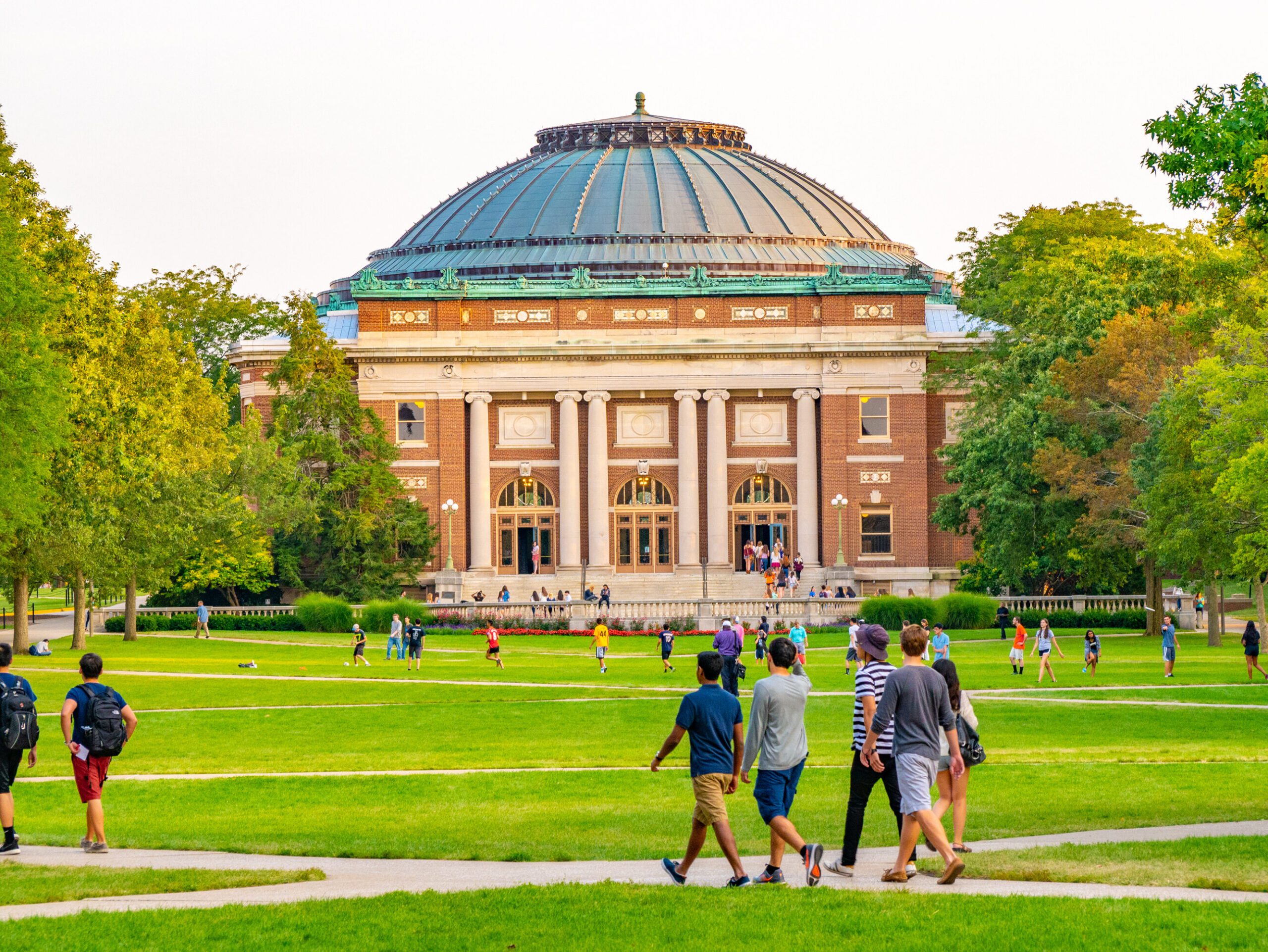
Choosing a college is one of the most important decisions you’ll make, and it’s not just about academics. Explore factors like cost, location, programs, and campus culture to find the best fit for your goals.

Start with Self-Reflection

Before diving into college research, think about what you want from your college experience. Ask yourself:

  • What are my academic interests and career goals?
  • Do I prefer a big university or a smaller college?
  • How far from home am I willing to go?
  • What type of campus environment feels right for me?

By identifying your priorities, you can focus on schools that align with your needs and preferences.

Consider the Cost

College affordability is a top concern for many students. Look beyond tuition to account for total costs, including:

  • Room and board
  • Textbooks
  • Transportation
  • Personal expenses

Pro Tip: Use tools like the Net Price Calculator on college websites to estimate your actual costs after financial aid.

Explore different funding options, such as:

  • Grants and Scholarships: Free money based on need or merit.
  • Work-Study Programs: Part-time jobs to help pay for expenses.
  • Loans: Borrowed money that must be repaid with interest.

Bonus Tip: Apply to at least one financial safety school where you’re confident you can afford the costs.

Think About Location

Location can significantly impact your college experience. Consider factors like:

  • Proximity to Home: Do you want to stay close or explore a new area?
  • Climate: Are you comfortable with the weather in the area?
  • Opportunities Nearby: Does the location offer internships, jobs, or cultural activities relevant to your goals?

Example: If you’re interested in tech, a college near Silicon Valley might provide more networking and internship opportunities.

Evaluate Academic Programs

Your major or area of interest is a key factor in choosing the right college. Research schools with strong programs in your field. Look for:

  • Specialized courses or concentrations
  • Opportunities for research or hands-on learning
  • Faculty expertise and reputation
  • Study abroad programs

If you’re undecided, consider colleges with a wide range of majors and strong advising programs to help you explore your options.

Pro Tip: Check graduation rates and job placement statistics for your desired program.

Assess Campus Culture

Every college has its own vibe, and finding the right fit is essential. To understand campus culture, explore:

  • Student Organizations: Are there clubs or activities that interest you?
  • Diversity and Inclusion: Is the school welcoming to students of all backgrounds?
  • Social Life: Do you prefer a bustling campus or a quieter environment?
  • Traditions: Unique events or rituals that foster a sense of community.

Tip: Visit campuses or take virtual tours to get a feel for the atmosphere.

Compare Class Sizes and Teaching Styles

Some students thrive in smaller, discussion-based classes, while others prefer larger lectures. Look at:

  • Student-to-faculty ratio
  • Average class sizes for your major
  • Availability of faculty during office hours

Example: Liberal arts colleges typically offer smaller classes with personalized attention, while large universities may provide more diverse course options.

Explore Housing Options

Where you live during college can impact your overall experience. Consider:

  • On-Campus Housing: Often more convenient and fosters a sense of community.
  • Off-Campus Housing: Can be more affordable but requires budgeting for rent and utilities.
  • Living-Learning Communities: Themed housing that connects students with similar interests.

Pro Tip: Ask current students about their experiences with housing to get an inside perspective.

Investigate Support Services

A strong support system can make a big difference in your college success. Look for:

  • Academic Support: Tutoring, writing centers, or study workshops.
  • Mental Health Resources: Counseling services and wellness programs.
  • Career Services: Resume help, mock interviews, and job placement support.
  • Disability Services: Accommodations for physical or learning challenges.

Tip: Check whether these services are included in tuition or require additional fees.

Visit Campuses

If possible, visiting campuses is the best way to see if a school feels like a good fit. During your visit, try to:

  • Sit in on a class
  • Talk to current students
  • Explore dorms, dining halls, and other facilities
  • Attend an info session or guided tour

Virtual Options: If traveling isn’t possible, many schools offer virtual tours and online Q&A sessions with admissions staff and students.

Look at Post-Graduation Outcomes

Ultimately, college is an investment in your future. Research the school’s:

  • Graduation rates
  • Alumni networks
  • Average salaries for graduates in your field
  • Internship and job placement opportunities

Example: Colleges with strong alumni networks can help open doors for internships or first jobs.

Apply Smartly

Once you’ve narrowed your list, apply strategically to schools in three categories:

  • Safety Schools: Where you exceed admission requirements.
  • Match Schools: Where you meet the average student profile.
  • Reach Schools: Where admission is more competitive.

Pro Tip: Make use of fee waivers if application costs are a concern.

Trust Your Gut

After researching and visiting schools, trust your instincts. A college might look perfect on paper, but if it doesn’t feel right, it’s okay to explore other options.


Final Insights

Choosing the right college is about finding a place that aligns with your goals, values, and needs. By considering factors like cost, location, programs, and campus culture, you’ll set yourself up for success. Ready to start your college journey? Dive into your research today!

Related Content

Scholarships for First-Generation College Students: Where to Look

Being the first in your family to attend college is a major achievement — and a major challenge. From navigating applications to figuring out how to pay for it all, the process can feel overwhelming. The good news? There are scholarships out there designed...

Continuing Education: Why Lifelong Learning is Key to Career Success

Graduating with a degree is a major accomplishment, but learning shouldn’t stop there. In today’s fast-changing job market, continuing education is essential for staying competitive, increasing earning potential, and expanding career opportunities. Whether through...

How to Use a 529 Plan as an Adult Learner

Most people think of 529 plans as tools for saving for a child’s college education—but they’re far more flexible than that. In fact, many adult learners are surprised to discover they can use 529 plan funds for their own education, whether they’re going back to...

Creating a Study Space That Actually Works

Studying at home sounds easy—until the laundry, dishes, and Netflix start calling your name. Whether you're taking online classes or just need a spot to focus between shifts or after the kids are asleep, a dedicated study space can make a huge difference in how...

Financial Aid Resources for Students in Rural Areas: Scholarships, State Grants, and Distance Learning Support

For students in rural or small-town communities, the road to higher education can feel a bit longer—literally and figuratively. Fewer local resources, limited access to college counseling, and geographic isolation often create barriers to finding and funding a college...

Balancing Family, Work, and Education: Time Management Tips for Adult Learners

Going back to school as an adult can be rewarding, but it also comes with challenges—especially if you’re juggling family, a full-time job, and coursework. Finding time for everything without feeling overwhelmed is possible with the right strategies. Learn how to...

The Ultimate Guide to College Applications

Applying to college can feel overwhelming, but breaking the process into manageable steps makes it much easier. Get step-by-step advice to craft a standout application, from choosing the right schools to nailing your personal statement. Start with Self-Reflection...

Scholarships for Indigenous and Native American Students: Where to Find Real Funding Opportunities

Paying for college can feel overwhelming, but for Indigenous and Native American students, there are targeted scholarships and grants that are often underutilized. These programs are designed not just to reduce financial burden, but to support long-term educational...

Scholarship Application Mistakes to Avoid

Applying for scholarships is one of the best ways to reduce college costs, but even the most qualified students can lose out on funding due to simple mistakes. A strong application can mean the difference between winning free money for school or missing out on...

Resources for Formerly Incarcerated Students Returning to Education

Going back to school after incarceration takes courage. For many people, higher education is not just about earning a degree—it’s about rebuilding a life, opening career doors, and finding a path forward. While the journey may come with unique challenges, there are...

Check out these scholarships:

Alys Robinson Stephens Performing Arts Scholarship

To be eligible for the Alys Robinson Stephens Performing Arts Scholarship, applicants must be high school seniors/graduates and accepted to UAB. There are no applications for this scholarship: via audition and testing, the student must prove to be of substantial...

SMA Native American STEM Scholarship

The SMA Native American STEM Scholarship awards Native American students pursuing a four-year degree in in STEM--Science, Technology, Engineering and Mathematics. Scholarship Sponsor Souder Miller & Associates (SMA) and Granite ConstructionAward Type $1,500 CashGender...

AFSA High School Senior Scholarship Contest

The American Fire Sprinkler Association Scholarship Program helps with the educational and training pursuits of students just like you. Scholarship Sponsor The American Fire Sprinkler AssociationAward Type $2,000 CashGender Eligibility AllOther Requirements/Criteria...

Afghan-American Scholarship Program

The Afghan-American Community Organization (AACO) Scholarship was initiated and funded by generous members of the Afghan-American community, Somaya and Masie Ishaq. AACO is looking for applicants who demonstrate commitment to their education through a variety of means...

Pacific Gas & Electric Company Veterans ERG Scholarship

Pacific Gas and Electric Company (PG&E) is offering Better Together STEM Scholarships of $2,500 or $10,000 to students pursuing science, technology or engineering studies at universities in California. Students must be California residents and PG&E customers...

I’m Still a Dreamer Scholarship

Atlanta rapper Future is stepping up big time to help out students heading to college this fall. Many students’ summer job plans were thrown off by the ongoing coronavirus pandemic and it’s put more financial pressure on the students and their families. Future is...

Cesar Chavez Day Las Vegas 2018 Scholarship

Clark County, Nevada, Seniors who participate in the Cesar Chavez Day Festival and are planning to attend college in Nevada may apply for this scholarship. Number and amount(s) of scholarship(s) to be determined, up to $1,000.Scholarship Sponsor The Public Education...

Scholarships for Non-Traditional Students: Where to Look

Going back to school as a non-traditional student can be both exciting and overwhelming, especially when it comes to paying for tuition. Many scholarships are designed for recent high school graduates, but plenty of funding opportunities exist for adults returning to...

Traub-Dicker Rainbow Scholarship

The Traub-Dicker Rainbow Scholarship was established by Peggy Traub and Phyllis Dicker to encourage and support lesbian women in their pursuit of higher education. Scholarship Sponsor Stonewall FoundationAward Type $3,000 CashGender Eligibility FemaleOther...

Jeannette Rankin Women’s Scholarship Fund

Jeannette Rankin Women's Scholarship Fund awards scholarships to low-income women, ages 35 and older, who have a vision of how a college education will benefit themselves, their families and their communities. The scholarships are open to students pursuing technical...

Greater St. Louis Art Association Scholarship

The Greater St. Louis Art Association is offering scholarships to college students in the St. Louis area who are majoring in Art. Scholarships are one-time awards up to $2500 per student. Scholarship Sponsor The Greater St. Louis Art AssociationAward Type $2,500...

Saint Louis University John Paul Fechter Service Scholarship

SLU's Paul Fechter service scholarship is awarded to transfer students who have demonstrated significant dedication to community service. A separate application is required.Scholarship Sponsor St Louis UniversityAward Type $10,000 CashGender Eligibility AllOther...

AMWA Medical Education Scholarships

Supporting your medical education is important to us, and with this in mind, AMWA awards 4 (four) $500 scholarships to women currently enrolled in medical school. Awardees will be chosen based on the embodiment of the goals of AMWA. Scholarship Sponsor American...

Constituting America We The Future Contest

The "We The Future" Contest gives high school and college students the opportunity to earn scholarship awards by submitting entries in the following categories: Essay, Song, Entrepreneurial Plan, Short Film, PSA, STEM and Speech - all with the theme of the U.S....

5 Strong Scholarship

The 5 Strong Scholarship Foundation, Inc. Partners with Historically Black Colleges and Universities to provide full tuition scholarships and ongoing support to promising student leaders from “Matriculation to Graduation.”Scholarship Sponsor The American Indian...
Skip to content